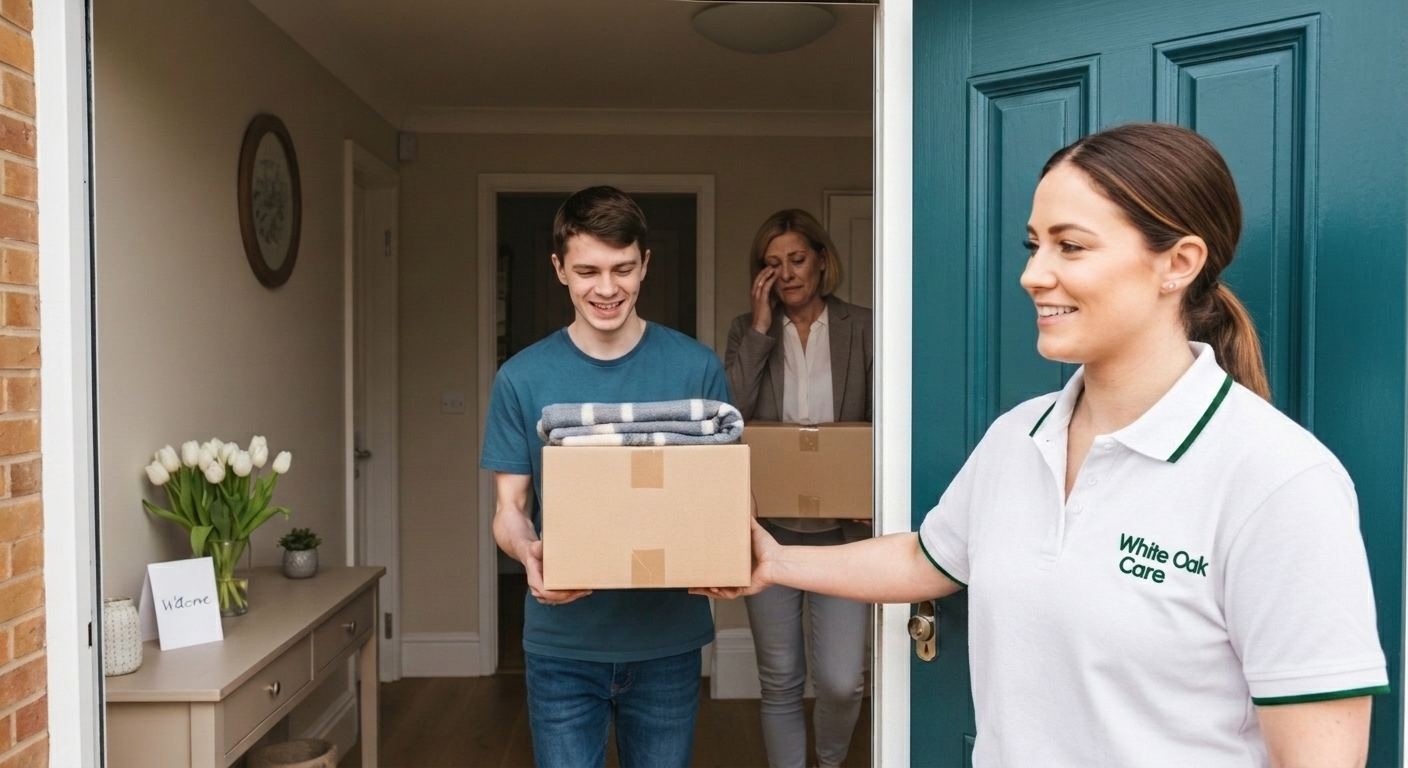
Transition support into supported living
A calm, staged move from children's services, the family home, or residential care into a life of their own. White Oak Care supports young adults across the UK to take the next step at their pace, with the right team around them.
What transition support means
Transition into supported living is one of the biggest steps a young adult and their family will take. It's the move from a familiar setting children's services, the family home, residential school, or specialist care into a home of their own, with support shaped around them.
We treat it as exactly that: a life event, not an administrative move. That means working in stages, building trust before the keys change hands, and keeping families and professionals close throughout.
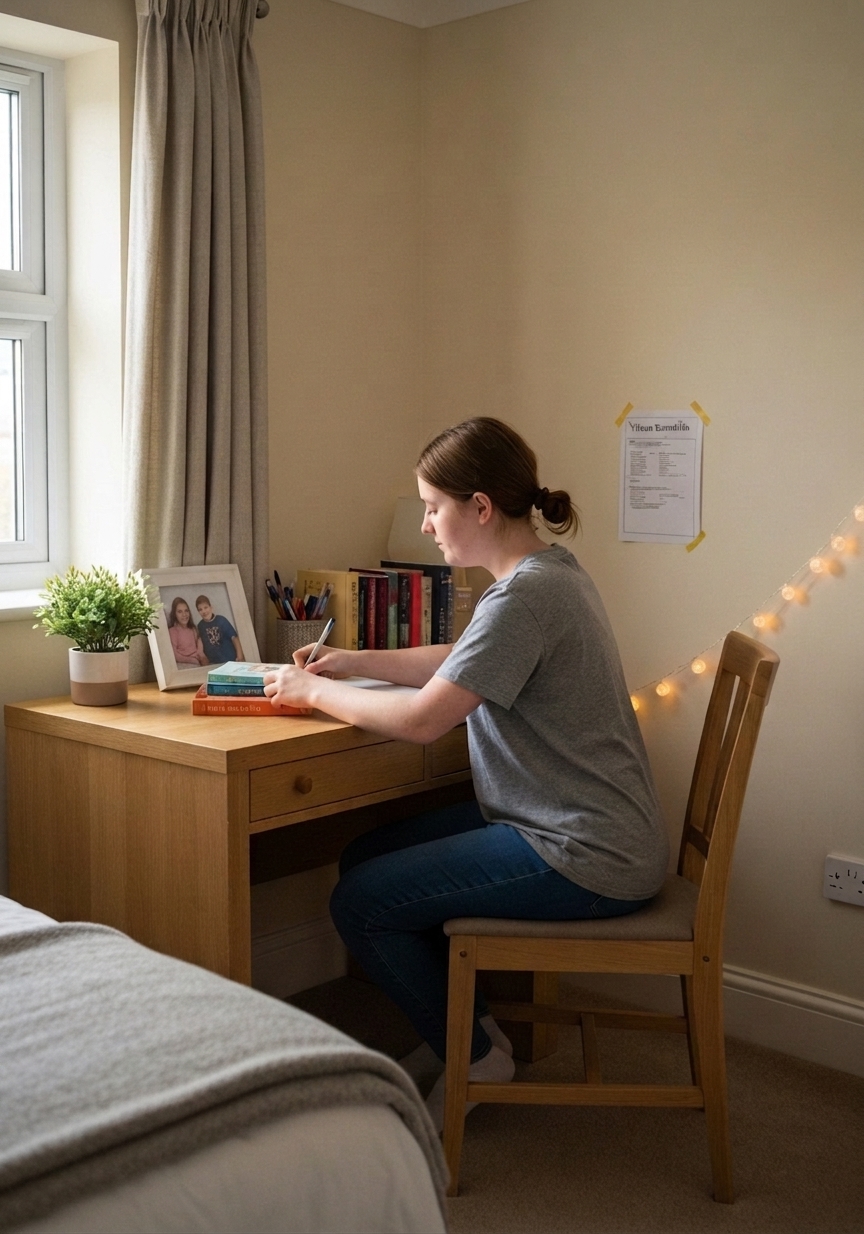
We support young adults aged 18 and over with a range of needs, including learning disability, autism, mental health, and complex needs. The plan is always built around the person their goals, their routines, and what a good day looks like.
A life event, not an admin move
We work in stages, building trust before the keys change hands. The pace is set by the person not the placement deadline.
Who transition support is for
- Young people moving from children's services to adult social care at 18
- Young adults leaving residential school or 38/52-week specialist provision
- Young adults moving out of the family home for the first time
- Adults transitioning from residential care into supported living
- Young adults stepping down from inpatient settings, ATUs, or rehabilitation units
- Care leavers moving on from looked-after placements
- Young adults with learning disability, autism, mental health, or complex needs
If you're a family or a professional unsure whether transition support is the right fit, the first conversation is the right place to start.
How our transitions work one step at a time
We never rush a move. A typical White Oak Care transition runs in five stages, with the pace set by the person.
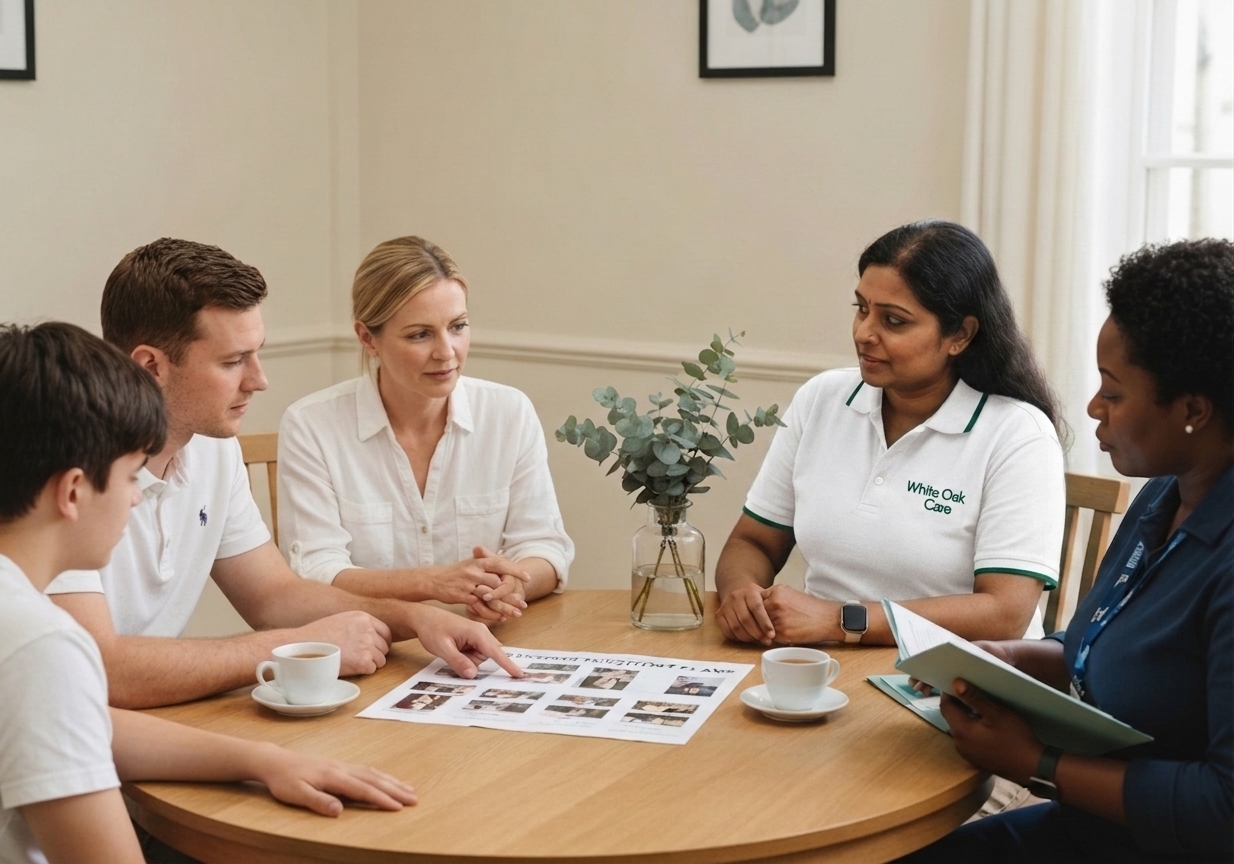
First meeting
We meet the young person, the family, and any professionals already involved. We listen first.
Detailed assessment
Communication, sensory profile, routines, goals, risks, what helps, what to avoid built together, not done to.
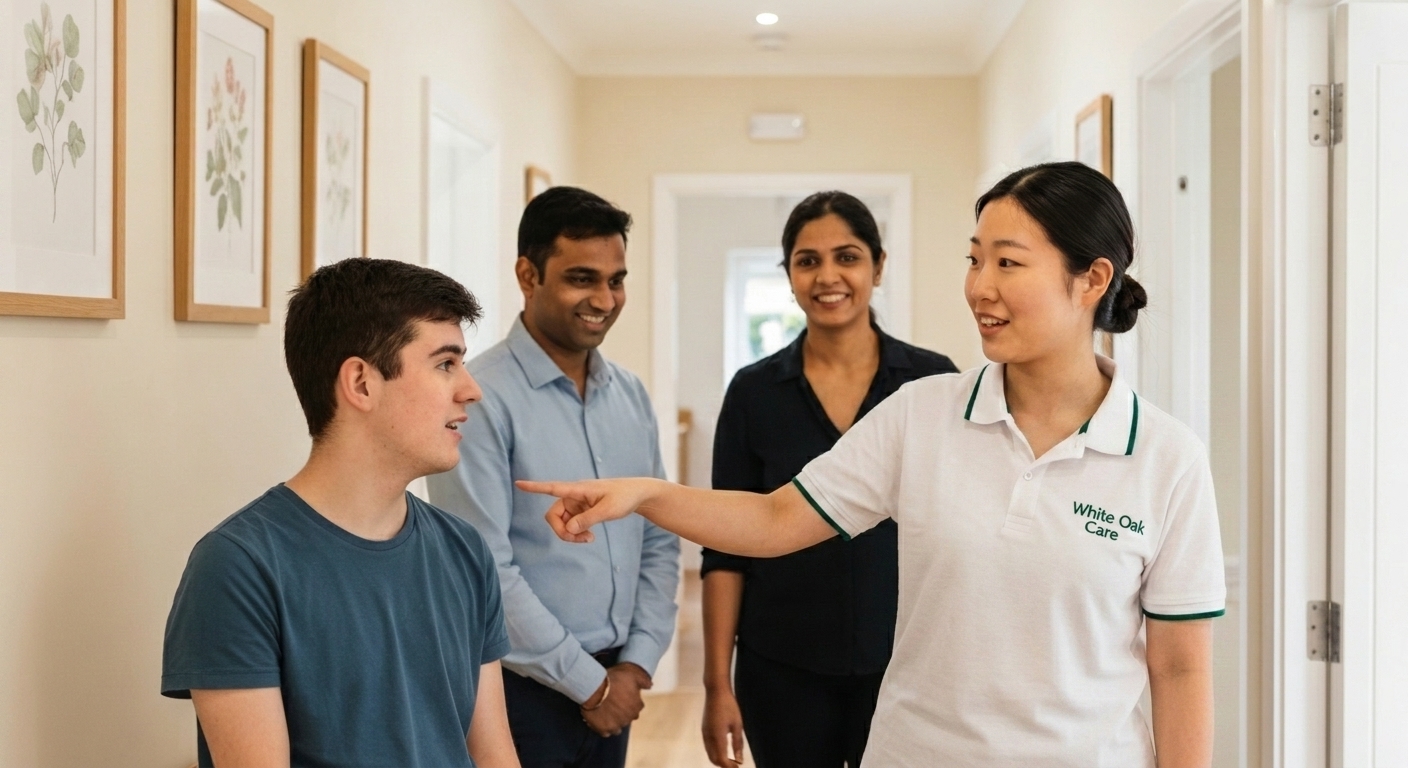
Familiarisation visits
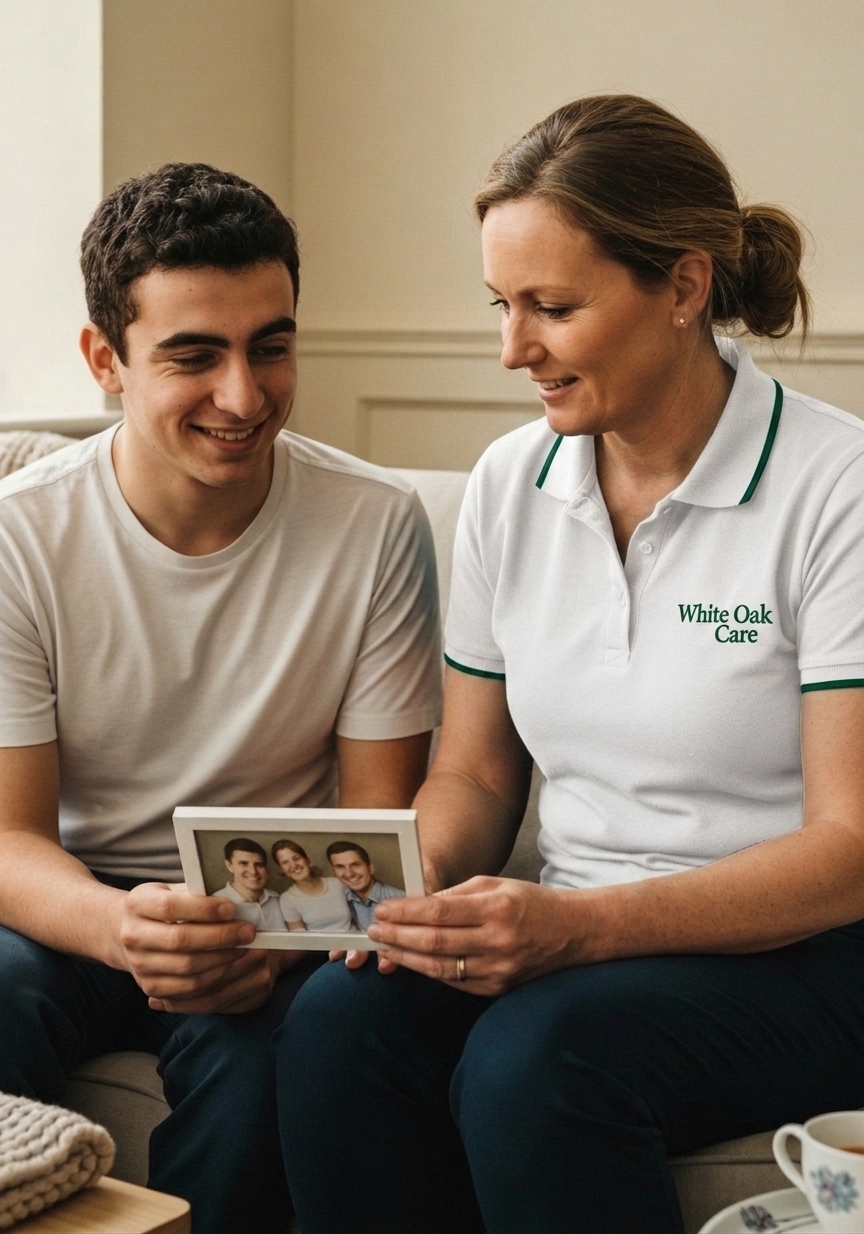
Short visits to the home and the team, in the person's own time. Photos, social stories, and easy-read materials where useful.
Overnight and weekend stays
Gentle build-up to longer stays, with the previous setting still in place for safety and continuity.
Move-in and ongoing support
Move-in day at the person's pace. Then steady support, regular reviews, and family in the loop.
What's included in transition support
Pre-move planning
Visits, social stories, photo books, easy-read materials.
Multi-agency liaison
Children's services, adult social care, schools, CAMHS, CMHT.
Stable matched team
The person meets their support workers before move-in.
Daily living skills
Cooking, cleaning, laundry, shopping, managing the home.
Communication support
Easy-read, signing, symbols, visuals, assistive tech.
Health and medication
Annual checks, GP transfer, medication continuity.
Finances and benefits
DLA to PIP transitions, budgeting, and benefits applications.
Education, employment, and meaningful activity
College, work, volunteering.
Family involvement
Regular updates, visits home, calls, and shared planning.


Why families and professionals choose White Oak Care for transitions
- Honest first conversations. We tell you what we can do and what we can't before anyone signs anything.
- Calm, staged approach. No rushed moves. The pace is set by the person, not the placement deadline.
- Specialist training. Care Certificate baseline plus PBS, autism, learning disability, mental health awareness, MCA, and safeguarding.
- Family-friendly culture. Families are part of the team, not visitors to it.
- Safeguarding-first. Named leads, clear reporting routes, zero tolerance for abuse or neglect.
- Joined-up working. We coordinate with children's services, adult social care, schools, and clinical teams.
What families and professionals say
“From the first visit to move-in day was almost four months. That sounds long. It was exactly right. He didn't fall apart and neither did we.”
“Their transition planning from our 52-week school was the smoothest I've seen. Photos, visits, overnight stays nothing rushed.”
“I have my own flat. I see my mum on Sundays. I do my own washing.”
Replace with verified, consented quotes before launch.
Start a transition conversation
Whether you're a parent, a social worker preparing a young person for adulthood, a school looking at next steps, or the young person themselves fill in the form below and one of our team will be in touch within one working day.
Frequently asked questions
Ready to start a transition conversation?
Whether the move is months or years away, the first conversation is the right place to start. We'd love to hear about the young person, what's working now, and what you're hoping for next.
Or email info@whiteoakcareltd.co.uk we reply within one working day.