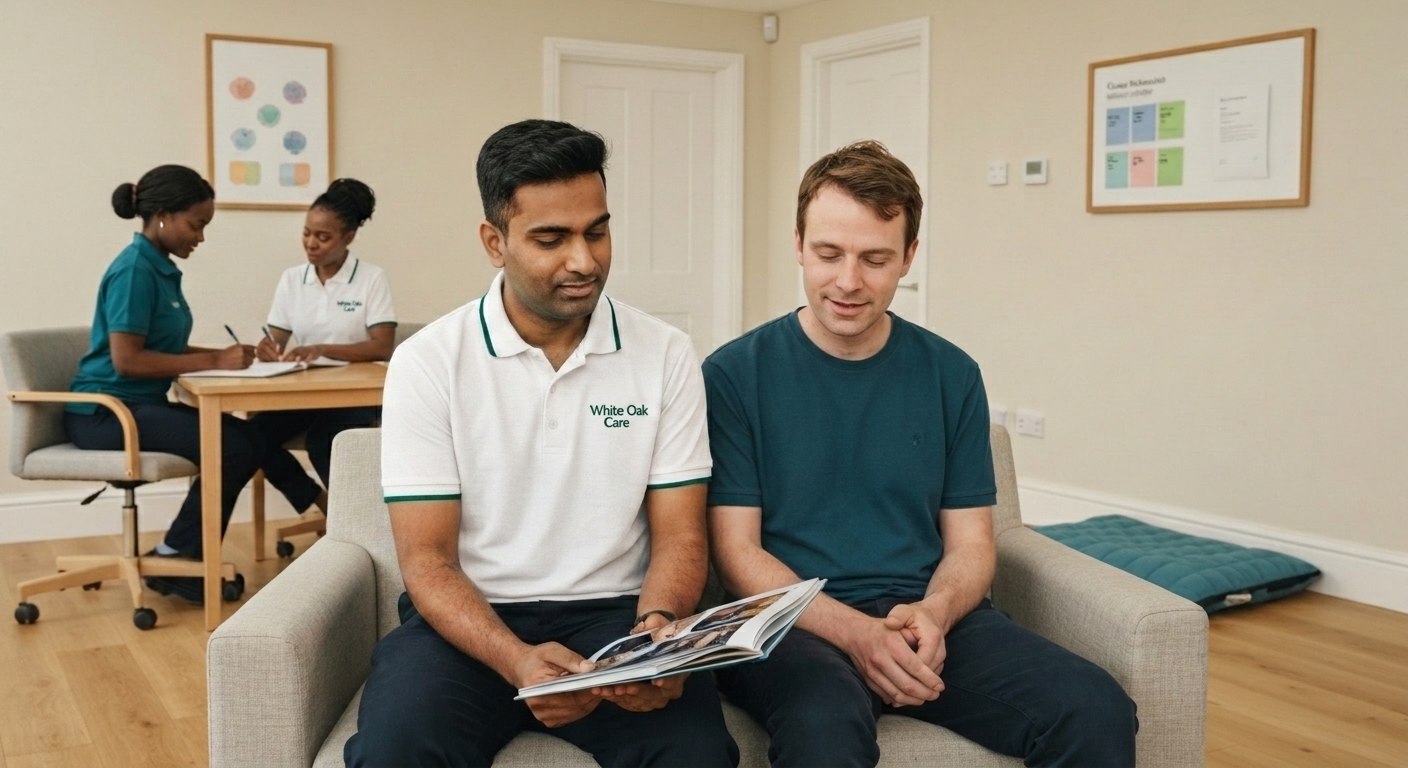
Supported living for adults with complex needs
Specialist, structured supported living for adults with co-occurring or high-intensity needs. Trained 24/7 teams, robust PBS plans, and joined-up working with health, social care, and clinical partners.
What complex needs supported living means
Complex needs supported living is specialist support for adults whose situations don't fit a single category and rarely fit a generic plan.
That often means co-occurring conditions (for example, a learning disability with autism and mental health needs), behaviours that challenge or distress, or a history of admissions to assessment and treatment units (ATUs). It can also mean forensic backgrounds and step-down from secure or rehabilitation settings.
What it always means is this: the person needs more structure, more training, more multi-agency working, and more honest planning and we build that around them.
Honest at assessment
We are realistic. Not every provider can deliver complex needs supported living safely. We are honest at assessment about what we can take.

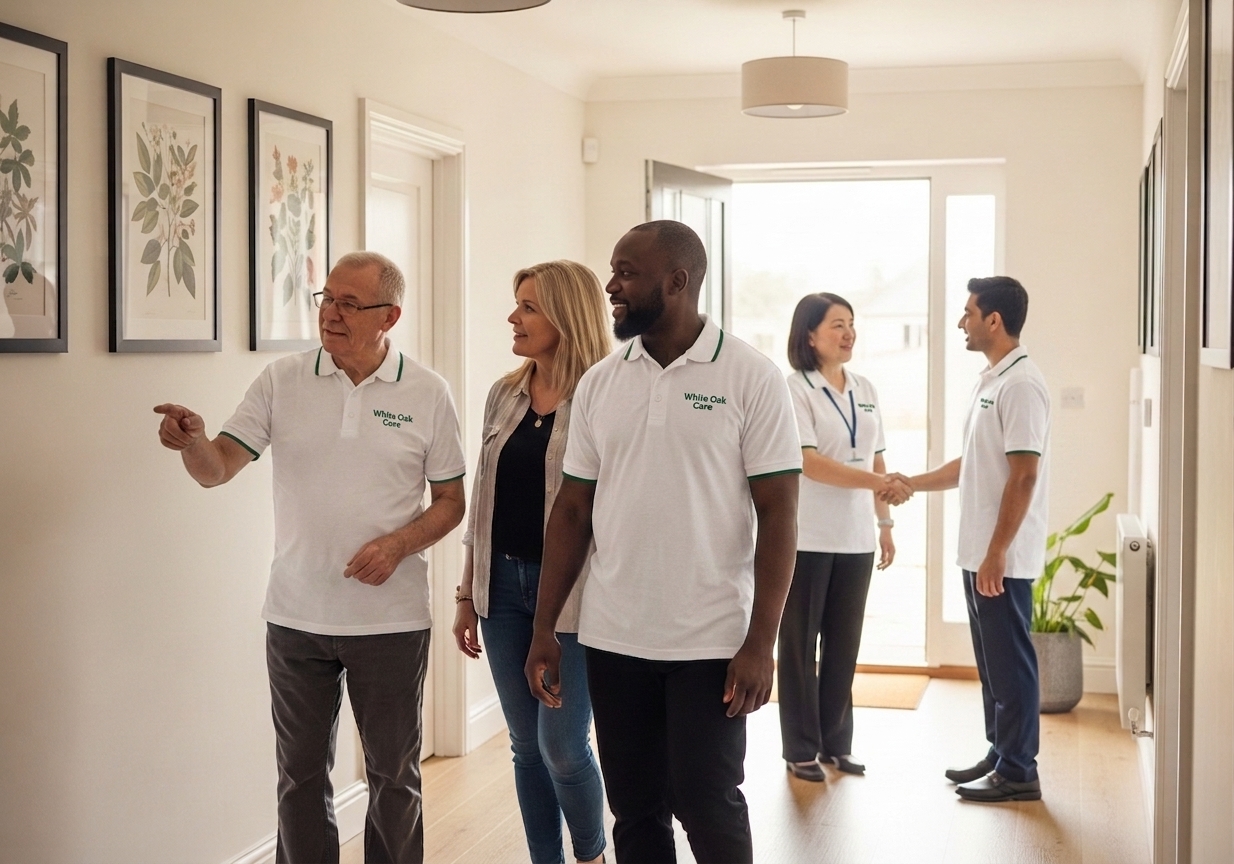
Who this service is for
- Adults with co-occurring needs for example, a learning disability with autism, mental health, sensory processing, or epilepsy
- Adults whose behaviours that challenge or distress require structured PBS plans
- Adults stepping down from assessment and treatment units (ATUs) or secure settings
- People supported under Transforming Care pathways
- Adults with a forensic background, including those moving on under Section 17 conditional discharge
- Adults with dual diagnoses including substance use recovery
- Adults whose previous placements have broken down
If you're unsure whether we can take a placement, the first conversation is the right place to start.
What's included in the support
Complex needs packages are intensive by design. Most include some combination of:
24/7 trained staffing
Waking nights, sleep-in, on-call, and 2:1 cover where assessed.
Structured PBS plans
Co-produced with psychology, families, and the person.
Risk and crisis planning
Clear early warning signs, what helps, and what to avoid.
Sensory-aware environments
Uncluttered, predictable, tailored to the person.
Total communication
AAC, signing, symbols, easy-read, social stories.
Medication support
Including PRN protocols, depot tracking, and safe storage.
Physical health management
Annual checks, hospital liaison, and reasonable adjustments.
Multi-agency working
Psychiatry, psychology, OT, SLT, CMHT, and social work.
Daily living and meaningful activity
At the person's pace, with the right structure.
Transition planning
Staged moves with the previous setting, never rushed.

Our approach to complex needs
Honest assessment first
We will not take a placement we cannot safely deliver. The first assessment tells the truth to the person, family, and commissioner.
Positive behaviour support (PBS)
Plans co-produced with psychology, families, and the person. Behaviour communicates a need; we respond proactively, not punitively.
Trauma-informed practice
Many people we support carry hard histories. We hold that with care.
Multi-agency working
We coordinate with psychiatry, psychology, OT, SLT, CMHT, social work, and commissioners and we put it in writing.
Staged transitions
From ATU, secure, or rehab settings, we plan moves in stages visits, overnight stays, then move-in.
Continuous quality oversight
Senior managers visit every home. Plans are reviewed regularly. Concerns are escalated openly.

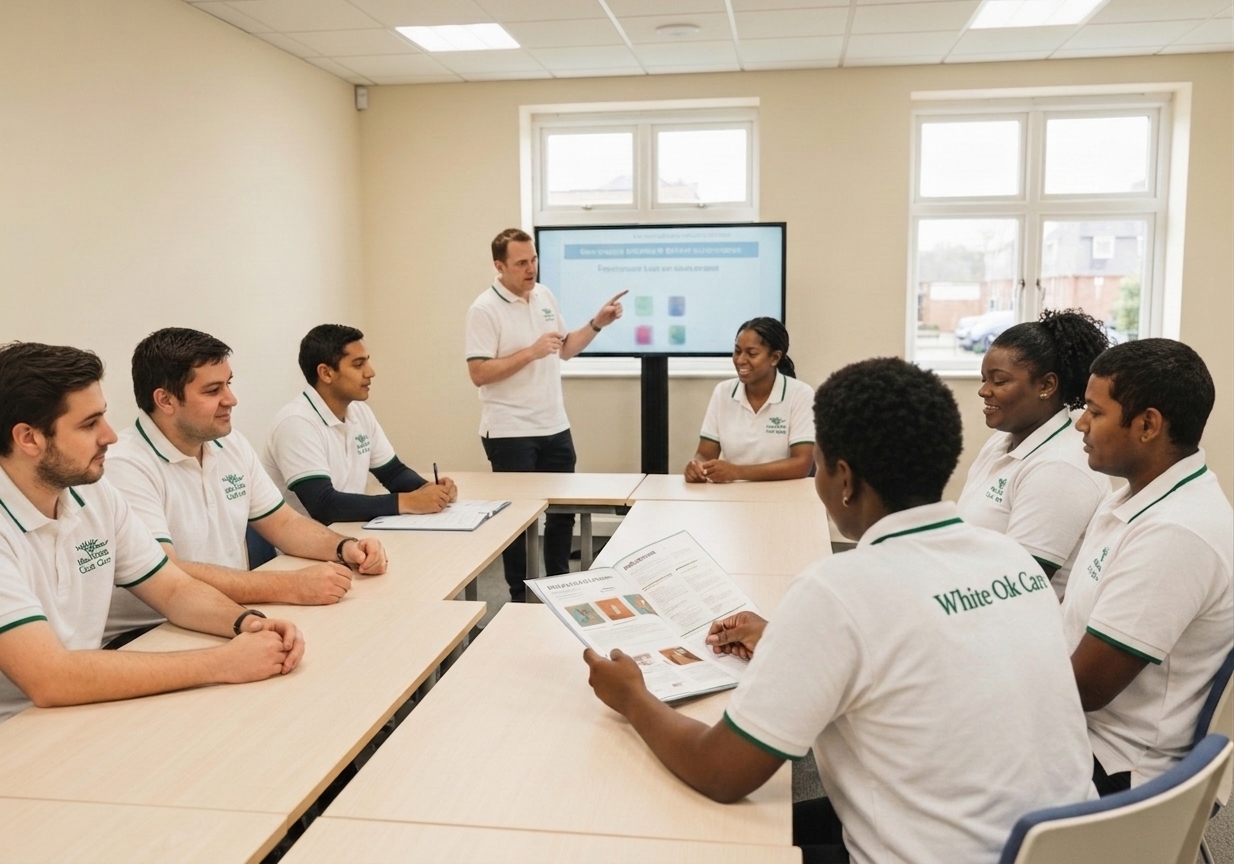
Why families and professionals choose White Oak Care
- Honest first conversations. We say no when no is the right answer. We say yes when we are sure.
- Specialist training stack. Care Certificate baseline plus PBS, autism, learning disability, mental health awareness, trauma-informed practice, Mental Capacity Act, and safeguarding.
- Stable, well-led teams. Senior support workers on every shift. Managers present in the homes.
- Safeguarding-first culture. Named leads, clear reporting routes, zero tolerance for abuse or restrictive practice misuse.
- Joined-up with the NHS and social care. Direct relationships with psychology, psychiatry, OT, SLT, and social work.
- Real responsiveness. Most enquiries get a reply within one working day.
What families and professionals say
“After three placements broke down, they were the first provider who said clearly what they could and couldn't do. The plan held. He's still there.”
“Their PBS plans and multi-agency reporting are some of the most thorough I've seen on a Transforming Care discharge.”
“I have my own flat. The team know what helps. I haven't been back to hospital.”
Replace with verified, consented quotes before launch.

Start a complex needs conversation
Complex needs referrals usually come from professionals. Whether you're a clinician, social worker, or commissioner or a family member supporting one the form below gives us what we need for a first conversation. We aim to reply within one working day.
Frequently asked questions

Ready to talk about a complex needs placement?
Whether you're a clinician planning a discharge, a commissioner sourcing a placement, a social worker supporting a transition, or a family member exploring options we'd like to hear from you.
Or email info@whiteoakcareltd.co.uk we reply within one working day.