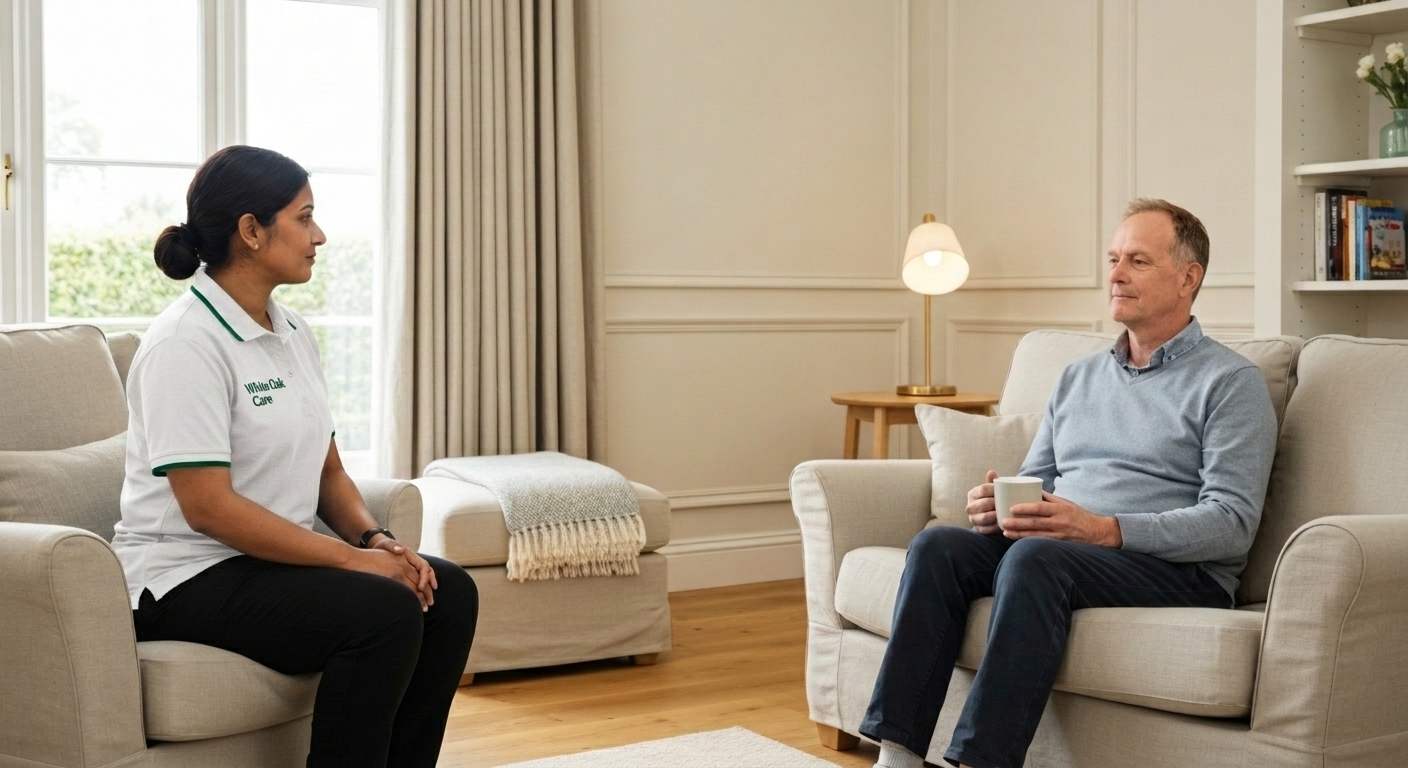
Mental health supported living, built around recovery
Recovery-focused, trauma-informed supported living for adults living with mental health conditions. Stable routines, the right team, and a home where recovery has room to take hold.
What mental health supported living means
Mental health supported living is housing and support designed around recovery not just stability. The person holds their own tenancy and receives the right level of support to rebuild routines, manage their health, and re-engage with the life they want.
For some, that means structured daily support after a hospital admission. For others, lower-level support while building independence. The level changes with the journey. What stays consistent is a trauma-informed approach: we hold what the person carries, without asking them to relive it.
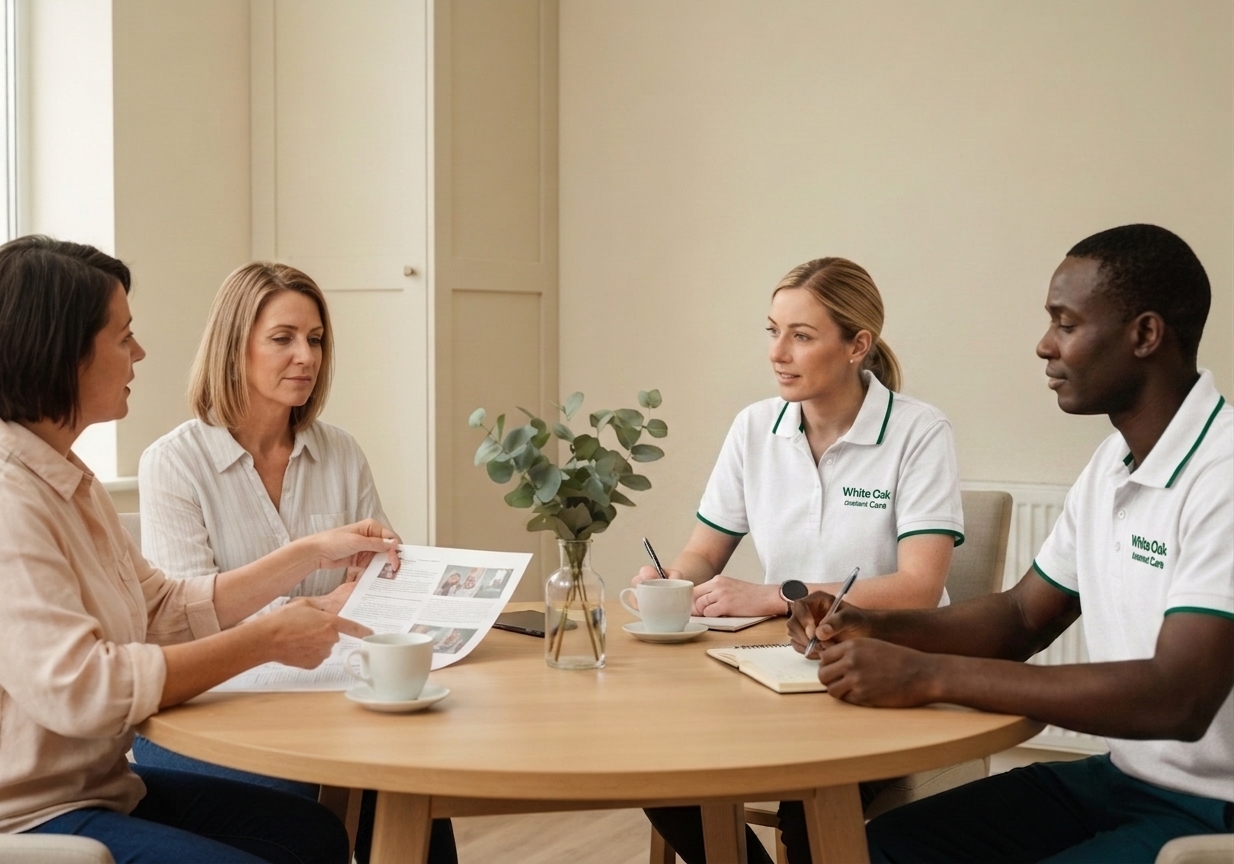
We work closely with Community Mental Health Teams (CMHTs), crisis teams, and inpatient wards to make transitions safe and planned.
Recovery-focused, not just stable
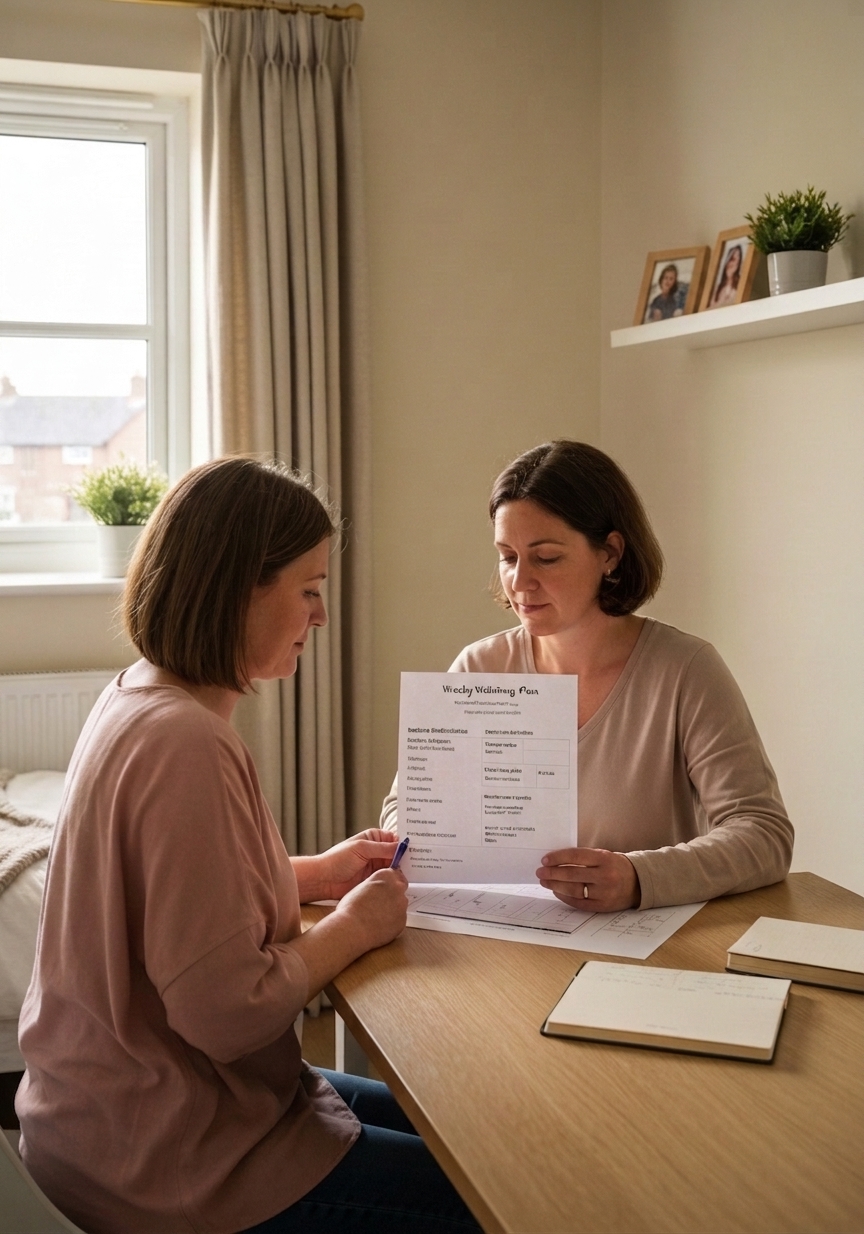
Goals are set in the person's own words. Recovery isn't the absence of symptoms it's a life that feels worth living.
Who this service is for
We provide mental health supported living for adults aged 18 and over whose situations include:
- Adults living with long-term mental health conditions including psychosis, schizophrenia, bipolar disorder, severe depression, anxiety, OCD, EUPD/BPD, and PTSD
- Adults stepping down from inpatient wards, PICUs, or Section 117 aftercare placements
- Adults moving on from rehabilitation units into community living
- Adults with dual diagnoses mental health alongside learning disability, autism, or substance use recovery
- Adults at risk of repeated crisis or admission who need stability
- Adults seeking a calm, recovery-oriented home while rebuilding routines
If you're unsure whether we're the right fit, the first conversation is the right place to start.
What's included in the support
Recovery-focused planning
Goals set with the person, in their own words.
Stable daily routines
Sleep, meals, medication, activity, and rest.
Medication support
Prompting, administering, safe storage, and depot tracking.
Mental health appointments
CMHT, psychiatry, psychology, and crisis liaison.
Physical health
Annual checks, GP, dental, smoking cessation, and weight management.
Crisis and relapse prevention
Early warning signs, advance statements, and clear plans.
Daily living skills
Cooking, cleaning, laundry, and managing the home.
Finances and benefits
Budgeting, bills, and benefits applications.
Community access and meaningful activity
Friendships, peer support, education, and employment.
24/7 cover where needed
Waking nights, sleep-in support, and on-call.

Our approach to mental health support
Trauma-informed
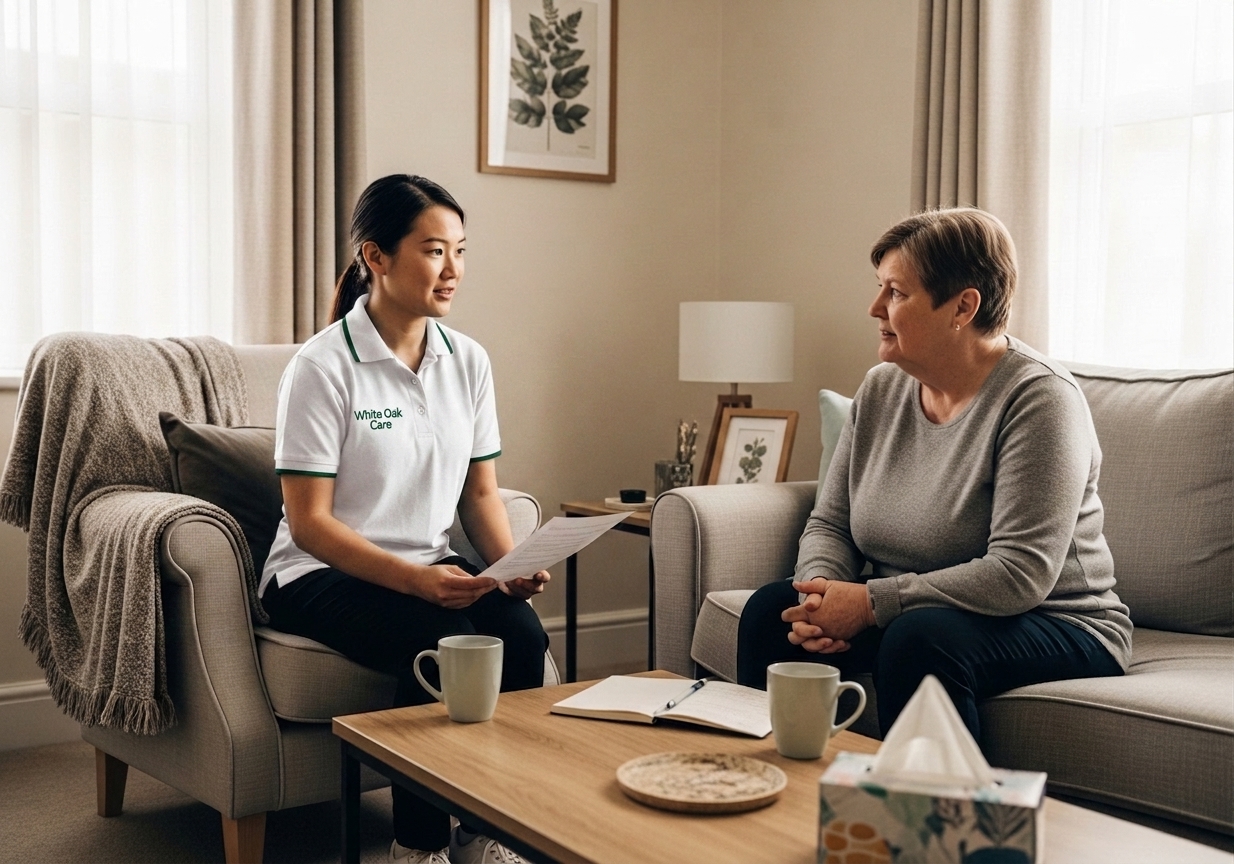
We hold what the person carries without asking them to relive it. Safety, choice, and trust come first.
Recovery-focused
Goals are set in the person's own words. Recovery isn't the absence of symptoms it's a life that feels worth living.
Strengths-based
We start with what the person can do, what they enjoy, and what they want next.
Crisis and relapse planning
Early warning signs, what helps, what to avoid, and a clear plan if things slide. Co-produced with the person and their clinical team.
Coordinated with the NHS
We work closely with CMHTs, crisis teams, psychiatry, and Section 117 aftercare to keep care joined-up.
Family involvement, with consent
Where the person wants their family involved, we make space for that.

Why families and professionals choose White Oak Care
- Honest first conversations. We tell you what we can do and what we can't before anyone signs anything.
- Specialist mental health training. Care Certificate baseline plus mental health awareness, trauma-informed practice, suicide and self-harm safer care, medication, and safeguarding.
- Stable, well-led teams. Low turnover, strong supervision, and managers present in the homes.
- Safeguarding-first culture. Named leads, clear reporting routes, zero tolerance for abuse and neglect.
- Joined-up with the NHS. Direct working relationships with CMHTs, crisis teams, and inpatient wards.
- Real responsiveness. Most enquiries get a reply within one working day.
What residents, families, and professionals say
“It's the first place since my admission where I've slept properly. They didn't try to rush me.”
“Their step-down planning with our ward team was exceptional. Communication was clear, and they were honest about what they could safely take.”
“My daughter has her own flat. The team know her early warning signs. For the first time in years, I sleep at night too.”
Replace with verified, consented quotes before launch.
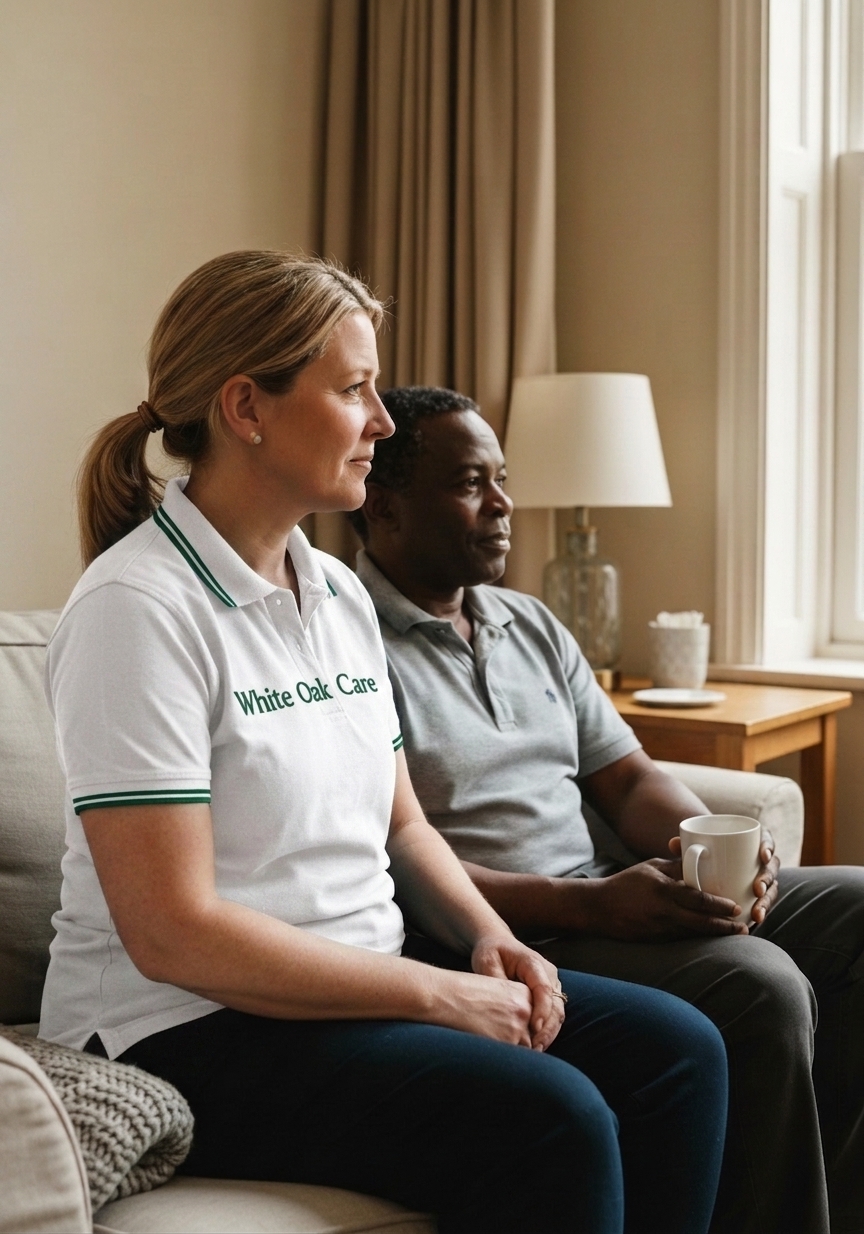
Start a mental health support conversation
Fill in the form below and one of our team will be in touch within one working day. There's no obligation, and the first conversation is always free.
If you are in immediate crisis, please call 999 or NHS 111 (option 2). For emotional support, Samaritans is free on 116 123.
Frequently asked questions

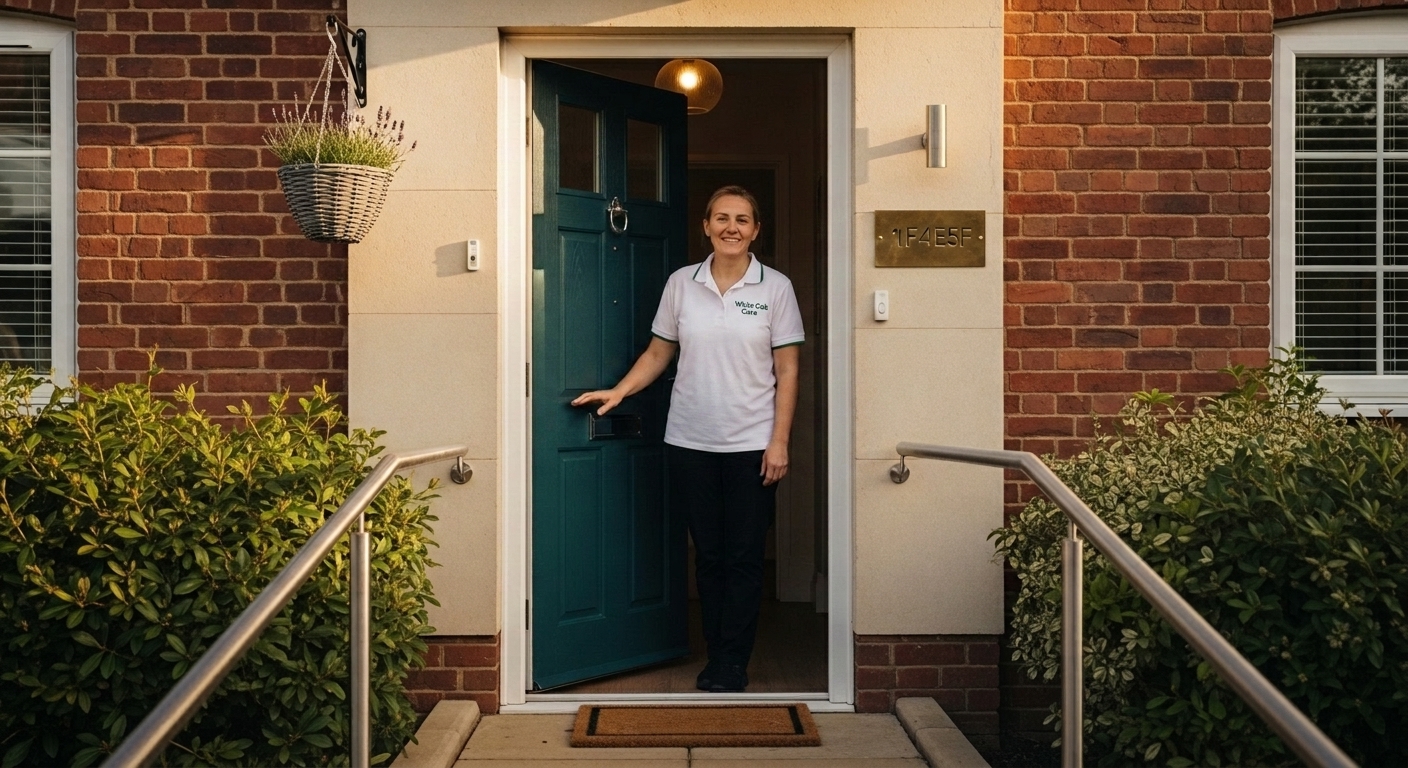
Ready to talk about mental health support?
Whether you're a ward team planning a discharge, a care coordinator looking for the right next step, a family member exploring options, or someone looking for a calmer place to live we'd like to hear from you. The first conversation is free, honest, and entirely no-obligation.
Or email info@whiteoakcareltd.co.uk we reply within one working day.